reliable pest management professionals specializing in Bed Bug Inspection
Experienced Bed Bug Heat Solution for Effective Elimination
Professional bed bug thermal therapy stands apart as a highly effective solution for exterminating these stubborn pests. By pushing temperatures to levels deadly for all life phases, this technique avoids the pitfalls of chemical resistance. It is an eco-conscious solution that demands few sessions for success. Grasping the process and its benefits can greatly influence pest management strategies. However, many myths plague this treatment. What are the truths behind these myths, and how can one prepare efficiently effectively?
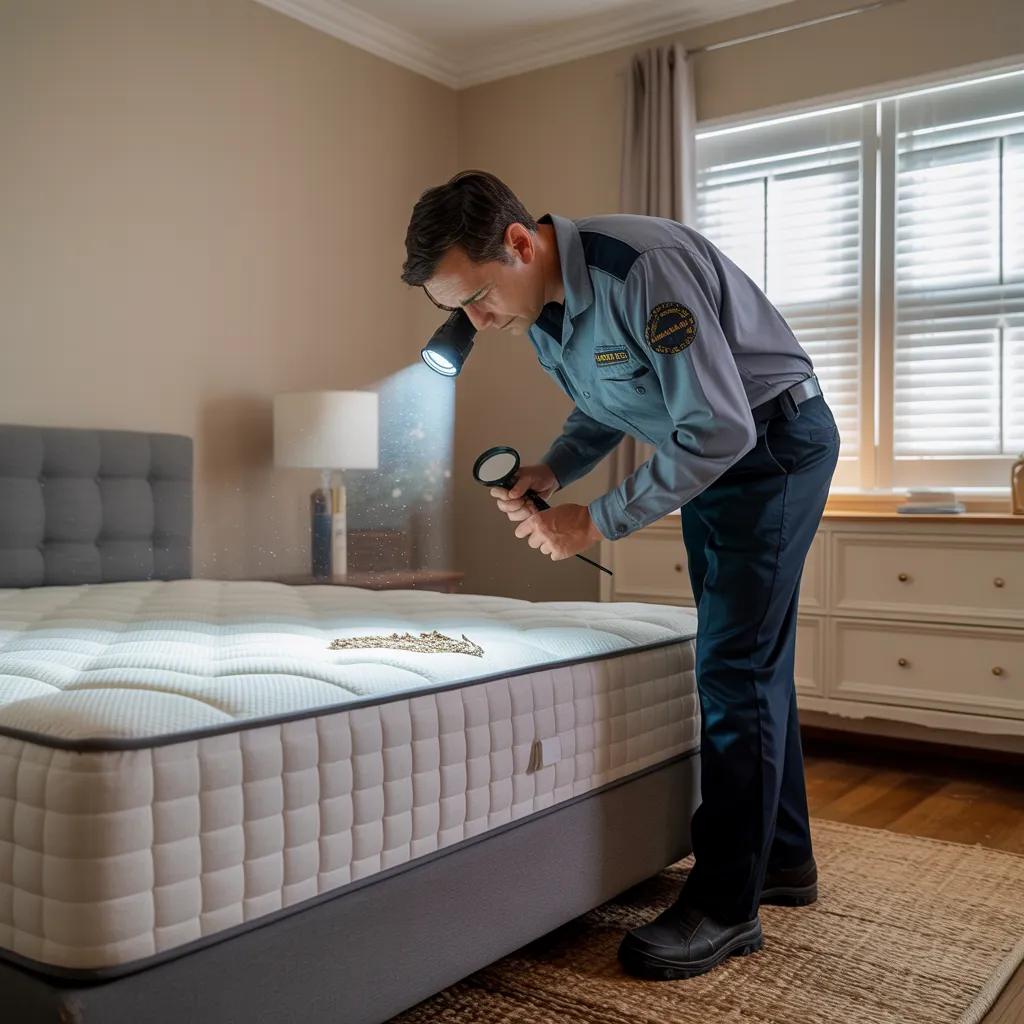
How to Destroy Bed Bugs Effectively Using Heat Treatment
To effectively eliminate bed bugs, heat treatment presents itself as a potent approach. This method involves raising the temperature of infested areas to levels lethal for bed bugs and their eggs. Unlike traditional chemical treatments, heat distributes through various materials, guaranteeing that even concealed insects are addressed. The process typically requires specialized equipment to maintain consistent high temperatures, usually around 120°F to 140°F, for a adequate timeframe to ensure complete eradication.
Heat treatment is not only effective but also environmentally friendly, as it minimizes the use of harmful chemicals. It can be applied to a wide range of items, including bedding, furniture, and clothing, making it adaptable. Homeowners and pest control professionals often favor this method due to its efficacy in a single application, decreasing the need for multiple treatments. Overall, heat treatment stands out as a practical and reliable approach to eliminate bed bug infestations.
Understanding How Bedbug Heat Treatment Operates?
Bed bug heat treatment involves raising the temperature in affected spaces to levels fatal to these insects. This approach is very successful, as it eliminates all life stages of bed bugs, including eggs, which are often resistant to traditional chemical treatments. Comprehending the procedure and its efficacy is essential for those looking for a complete remedy to a bed bug infestation.
Heat Therapy Procedure Illustrated
A reliable approach to eradicating bed bugs requires a careful heat treatment procedure that addresses these pests at all life stages. Initially, the infested area is thoroughly inspected to pinpoint hotspots and potential hiding places. Specialized equipment is then utilized to elevate the temperature of the environment to a lethal range, typically between 120°F and 140°F. This temperature is maintained for several hours, ensuring that both visible bugs and hidden eggs are exposed to the heat. Monitoring devices monitor temperature fluctuations, ensuring uniform heat distribution throughout the treated space. After treatment, a secondary inspection may be conducted to verify the absence of bed bugs, providing assurance that the process has been effective in eliminating these resilient pests.
Potency Against Bed Bugs
Applying heat treatment efficiently disrupts the life cycle of bed bugs, attacking them at every stage of development. This approach raises the temperature in infested areas to a deadly level, typically between 120°F and 140°F. At these temperatures, bed bugs, including eggs, nymphs, and adults, cannot survive. The heat permeates various materials, ensuring that hidden bugs are also eliminated. Unlike chemical treatments, heat treatment leaves no residue and reduces the risk of resistance, as bed bugs cannot adapt to extreme temperatures. Additionally, the process is swift, often requiring only a few hours to achieve complete eradication. Consequently, heat treatment is recognized as a highly effective approach for thorough bed bug elimination.
Benefits of Choosing Heat Treatment Over Chemical-based Alternatives
Using heat treatment for bed bug eradication provides several advantages versus chemical methods, making it a top-choice alternative for many homeowners. One crucial advantage is the ability to eliminate bed bugs in all growth phases, covering eggs, nymphs, and adults, without leaving any residue. This thorough strategy guarantees that no surviving pests can breed.
Furthermore, heat treatment is sustainable, as it avoids the use of harsh chemicals that may pose health risks humans and pets. Homeowners often appreciate the fast results, as heat treatment typically demands only a single session compared to repeated chemical uses.
In addition, it reduces the chance of chemical resistance, a mounting concern with conventional pesticides. The lack of chemical odors during and after treatment enhances indoor air quality. Overall, heat treatment not only successfully eliminates bed bugs but also provides a safer, more streamlined solution for pest management.
What to Get Ready For With Your Heat Treatment?
Upon opting for heat treatment for bed bug elimination, homeowners can anticipate a detailed and systematic procedure. Initially, a complete assessment will be conducted to locate infested areas and assess the extent of the problem. This step is vital for tailoring the treatment successfully.
After the assessment is finished, the treatment team will ready the home by making sure all areas are reachable and that delicate belongings are appropriately addressed. The thermal system will then be set up to increase the interior heat to levels fatal to bed bugs.
During the process, temperatures will typically exceed 120°F, maintained for a set period to ensure success. Homeowners should anticipate an rise in temperature throughout the home, impacting all infested locations.
Ultimately, a post-treatment inspection is frequently scheduled to ensure the elimination of bed bugs, permitting homeowners to recover peace of mind in their residences.
How to ready Your Home for Heat Treatment?
Preparing a house for heat treatment demands multiple vital steps to guarantee successful elimination of bed bugs. First, residents must take out all items from the treatment area, such as clothing, bedding, and personal belongings. This stops damage and allows heat to spread effectively. Moreover, vacuuming carpets and upholstery helps in eliminating any visible bugs or eggs. It is also recommended to seal vacuum bags firmly to trap any pests.
Next, companion animals and vegetation should be moved to a protected space, as high temperatures can injure them. Homeowners must also make confident that outlets and electrical devices are free of clutter to facilitate consistent explore here temperature circulation. Finally, it is essential to advise the pest control technician of any specific concerns or areas of infestation. By following these steps, homeowners can enhance the efficacy of the heat treatment process, guaranteeing a thorough elimination of bed bugs.
Misconceptions About Heat Treatment You Mustn't Believe
Many myths encompass thermal remediation for bed bugs, particularly regarding its safety and efficacy. Some believe that this approach poses significant dangers, while others expect immediate outcomes. Comprehending these myths is essential for making well-informed choices about pest management.
Heat Treatment Creates Dangerous Conditions
Safety issues surrounding heat treatment for bed bugs often come from misunderstandings rather than factual evidence. Many think that high temperatures used in heat treatment can damage property or pose health risks. However, professional pest control services are trained to track temperatures carefully, ensuring that they remain within safe limits for both belongings and human health. Additionally, heat treatment is generally considered eco-friendly, as it eliminates the need for chemical pesticides. While improper application may lead to issues, reputable companies utilize advanced equipment and techniques to mitigate risks. Ultimately, when performed by experts, heat treatment is a safe and effective method for eradicating bed bugs without the long-term concerns associated with chemical treatments.
Quick Output Guaranteed
Heat therapy for bed bugs is often clouded with the misconception that it ensures instant results. In practice, while this method is highly effective, the procedure does not eradicate all bed bugs immediately. Elements such as the severity of the infestation, the thoroughness of the treatment, and the particular conditions of the environment can affect the outcome. For example, some bed bugs may remain in hidden areas, necessitating follow-up treatments to ensure total eradication. Additionally, individuals may incorrectly think that heat treatment by itself is enough without tackling potential reinfestation sources. Grasping these nuances is vital for effective pest management. Consequently, while heat treatment is a potent tool, patience and extensive strategies are necessary for achieving lasting results.
How to keep a Bed Bug-Free Home After Treatment
While effective heat treatment can eliminate bed bugs, keeping a bed bug-free home requires continuous monitoring and proactive measures. Frequent checks of sleeping areas, including mattresses and box springs, are essential to identify any signs of re-infestation early. Homeowners should also organize their home environments, as clutter provides hiding spots for bed bugs.
Washing and drying bedding and clothing on high temperatures at least once a week can help eradicate any conceivable eggs or bugs. Utilizing protective encasements for mattresses and pillows establishes an additional barrier against future infestations.
Frequent vacuuming in spaces frequented by pets and visitors can help remove any stray bugs. It is also advisable to be cautious when purchasing second-hand items and garments, carefully examining items before introducing them to your residence. By adopting these approaches, individuals can greatly reduce the risk of a bed bug resurgence.

Frequently Common Questions
How long does it last for thermal treatment Completion?
Heat treatment usually requires between six to eight hours to conclude, depending on the extent of pest presence and the size of the area undergoing treatment. Post-treatment, it's recommended to wait several hours before accessing the area.
Is It Possible to Stay in My Home During Therapy?
During heat therapy, staying indoors is generally discouraged. High temperatures can pose health risks, and the treatment requires a thorough procedure, requiring residents to leave until it is considered safe to re-enter.
Do Pets Face Any Risks During Heat Therapy?
Absolutely, dangers to animals arise during heat treatment. Extreme temperatures can be damaging or potentially fatal. It's vital to take pets out of the location before treatment and guarantee they remain away until the area becomes cool.
What Happens if Bed Bugs Live Through the Heat Method?
Should bed bugs remain alive through heat treatment, they could propagate, triggering a resurgence of the infestation. This circumstance calls for additional intervention, as surviving individuals frequently develop resistance to treatments, impeding future eradication efforts.
How Much Dollars Does Expert Heat Treatment Typically Cost?
Expert heat therapy for bed bugs generally ranges from $300 and $1,500, determined by the degree of infestation and the property size. Costs can fluctuate according to geographical location and service provider.